Dennis Fisher

About

Dennis Fisher is a journalist with more than 13 years of experience covering information security.

MySql.com Site Hacked, Was Serving Malware

The main Web site of MySql.com has been compromised and on Monday afternoon was serving malware to visitors for a short time through the use of JavaScript redirects. The site, which is owned by Oracle, was sending victims off to a remote site that is using the BlackHole exploit kit to install malware on their machines.

Alureon Rootkit Morphs Again, Adds Steganography

The Alureon rootkit has become not just a major headache for its victims, with its insidious infection routines and persistence once on a machine. But it also has proved to be a challenge for researchers engaged in trying to identify new versions and unwind its new tactics and techniques. The latest hurdle thrown up by Alureon is the use of steganography to hide configuration files to update infected machines with new instructions.


The revelation last week that researchers Thai Duong and Juliano Rizzo had developed a new attack on SSL that gives them the ability to decrypt some protected sessions on the fly sparked a lot of discussions about the inherent problems of the protocol and whether it has outlived its usefulness. But it’s not just SSL that’s the problem; it’s the slow accumulation of security problems in the key protocols and systems on which the Internet–and much of our world–rely that has become the real issue.

Microsoft officials are seeking to assuage concerns that its implementation of UEFI in Windows 8 will prevent users from loading non-Microsoft operating systems or applications on their machines. Despite concerns raised by security researchers and open-source advocates about vendor lock-in and other issues arising from the use of a secure boot sequence in the upcoming OS, Microsoft says “the customer is in control of their PC.”

Malware that targets Mac OS X isn’t anywhere near catching up to Windows-based malware in terms of volume and variety, but it seems that OS X malware may be adopting some of the more successful tactics that Windows viruses have been using to trick users. Researchers have come across a sample of an OS X-based Trojan that disguises itself as a PDF file, a technique that’s been in favor among Windows malware authors for several years now.

Windows 8, like Windows 7 and Vista before it, is being touted as the most secure version of Windows ever. In past releases, many of the security improvements have come through exploit mitigations such as ASLR and DEP and better software security practices during development. In Windows 8, however, one of the major changes is the addition of UEFI, a BIOS replacement that will include a secure boot sequence to help prevent low-level malware infections. That change, however, is not sitting well with everyone.

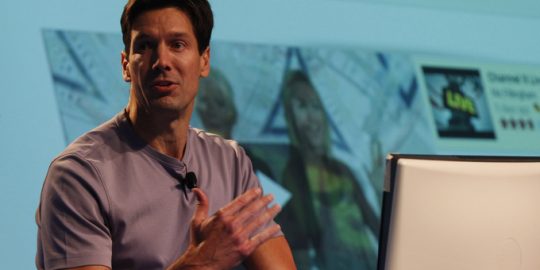
SAN FRANCISCO–It’s no secret that attackers have made Adobe’s products key targets for the last couple of years, routinely going after bugs in Reader, Flash and Acrobat in targeted attacks and widespread campaigns alike. But it’s not just the rank-and-file bad guys who are making Adobe a priority; it’s more often nation-states, the company’s top security official said.

UPDATED SAN FRANCISCO–It’s become fashionable of late to have people from outside the industry give keynotes at security conferences as a way of providing a fresh perspective or unique insight into what security means. Often, that fresh perspective turns out to be some variation of the “I don’t know security, so let me tell you how it doesn’t relate to my field” speech. Stephen Dubner fixed that.