Dennis Fisher

About

Dennis Fisher is a journalist with more than 13 years of experience covering information security.

New GpCode Variant Demanding Cash For Decryption Key

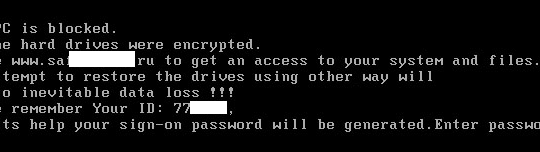
There’s a new version of the venerable GpCode ransomware attack making the rounds right now, demanding payments of $120 in order to decrypt files on infected PCs. This version, which has been active for several days now, is different from previous variants in that it overwrites the original files, preventing recovery of the data.

Exploit Code Out For New Windows Kernel Flaw

Security experts are warning about a newly discovered local privilege escalation bug in the Windows kernel that affects most of the current versions of the operating system, including Vista and Windows 7.


Exploit code is now publicly available for one of the four previously undisclosed Windows vulnerabilities that the Stuxnet worm exploits. The availability of exploit code for the Windows Task Scheduler bug used by Stuxnet makes the bug somewhat more dangerous, as there is currently no patch available for the flaw.

Dennis Fisher talks with Anup Ghosh, founder and chief scientist of Invincea, about the rise of browser and PDF exploits, the company’s new virtualized PDF security product and whether the Reader X sandbox will make a difference in preventing widespread PDF attacks.

It’s getting to be that time of year again, when everyone starts looking for ways to do something with all of the data that they’ve accumulated during the last 12 months. That means reports and top tens and lists and rankings and controversy. And, inevitably, it also means more examples of why using bug counts as a measure of an application’s security isn’t of much use.

The latest in what has become a long line of legislation introduced in the House and the Senate in 2010 that attempts to address the country’s computer security shortcomings is a new measure brought forward by Rep. Bennie Thompson that would, among other things, allow the  to force certain private network operators to adhere to some specific “performance-based standards” for securing their networks.

Adobe has released the much anticipated new version of its Reader software, Adobe Reader X, which includes the new sandboxing feature meant to prevent exploits against the software from affecting other applications on a PC.