Dennis Fisher

About

Dennis Fisher is a journalist with more than 13 years of experience covering information security.

After Paying $2M in Rewards, Google Multiplies Some Bug Bounties Five Times

Google’s bug bounty program has been one of the more successful reward systems of its kind, and the company has regularly modified and expanded the program over the years to keep pace with what’s going on in the industry. Google also has increased the rewards it offers for certain kinds of vulnerabilities several times, and the company is doing it again, raising the lower reward level from $1,000 to $5,000.


Watering-Hole Attack Compromises Key Tibetan Site

In what has become a familiar scenario over the last couple of years, attackers have compromised a key Tibetan web site and loaded it with code that redirects some users to a third-party site that installs an APT-style backdoor. The attack has hit the Web site of the Central Tibetan Administration, a site belonging to […]


Here’s an idea: stop fixing every vulnerability you read about. The best thing to do, it turns out, is to look at the vulnerabilities that are in both Metasploit and the Exploit Database and fix those. That gives you the highest chance of fixing bugs that are likely to be used in an actual attack.

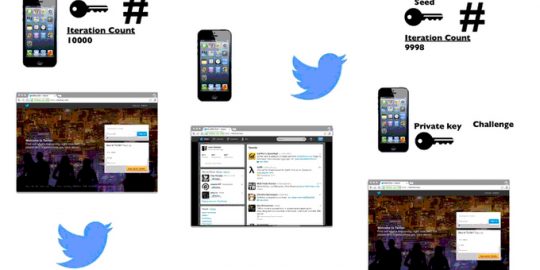
Twitter is rolling out an updated login verification system for iPhone and Android that uses a novel cryptographic scheme that is designed to be resilient against attack and ensures that the private key never leaves the user’s device. The system doesn’t rely on SMS to send codes to users for login verification, but rather on a challenge-response system in the browser.

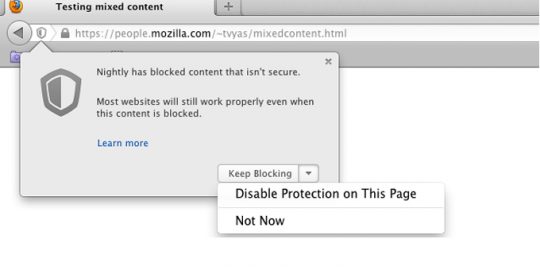
The long-anticipated inclusion of mixed-content blocking in Mozilla Firefox is now at hand, with the security feature showing up in the just-released Firefox 23. The feature, which helps defend users against certain kinds of man-in-the-middle attacks, is on by default in the new browser.

The Black Hat conference is one of the best opportunities each year to see new and innovative research, commune with some of the smartest folks in the industry and generally get a sense of where things stand and where they’re going. This year’s conference was one of the larger in history, both in terms of number of attendees and volume of presentations, and there was a lot to see and hear. With 11 research tracks, keynotes and press conferences happening from morning till night, it was impossible to see it all, even for the most motivated and caffeinated person.

When news of the Android master-key vulnerability began leaking out in early July, details were hard to come by, and that was done intentionally. The researchers at Blue Box Security, a mobile-security start-up, had discovered the vulnerability and were planning to disclose the details of the bug in a presentation at the Black Hat USA 2013 conference.