Dennis Fisher

About

Dennis Fisher is a journalist with more than 13 years of experience covering information security.

Twitter Enables Two-Factor Authentication

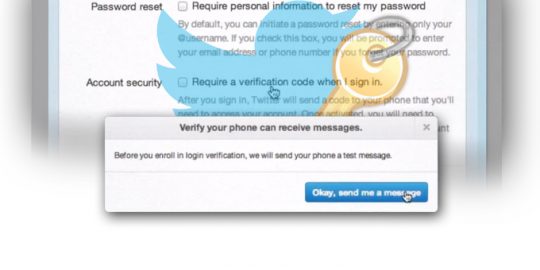
Responding to a wave of high-profile account takeovers in recent months, Twitter has implemented a phone-based two-factor authentication scheme that will require a numerical code along with a username and password when users log in to their accounts. The feature, known as login verification, is similar to one used by Google in its Gmail service.

‘The Chinese Are Not Going to Stop’

The news that the attack on Google in 2009 also compromised a database holding warrants for lawful intercept surveillance on users has raised fears about the security of national security data on private networks. Cyberspionage operations pose a serious threat to national security, and these attacks are increasing. Dennis Fisher spoke with Anup Ghosh of Invincea about the nature of the threat and what can be done to address it.

Google Fixes More Than a Dozen Flaws in Chrome 27

Google has released Chrome 27, a new version of its browser that includes a long list of security fixes, many of which are for high-risk vulnerabilities. The company handed out more than $14,000 in rewards to researchers who reported bugs fixed in the latest iteration of Chrome.


The United States intelligence community and its counterparts in law enforcement are quite secretive about their surveillance methods and the targets of those operations. Few people are privy to information about ongoing surveillance, but now it turns out that the Chinese government may have a better handle on who some of those targets are than the average U.S. citizen or politician does.

REDMOND, Wash.–If one were to draw up a list of the most challenging jobs in the technology industry, chief privacy officer at Microsoft likely would be pretty near the top of it. For a company with the size and scope of Microsoft, the volume of potential privacy issues is nearly endless, and if someone is calling you for help, something has probably gone wrong.

The Microsoft Digital Crimes Unit has been spearheading botnet takedowns and other anti-cybercrime operations for many years, and it has had remarkable success. But the cybercrime problem isn’t going away anytime soon, so the DCU is in the process of building a new cybercrime center here, and soon will roll out a new threat intelligence service to help ISPs and CERT teams get better data about ongoing attacks.

REDMOND, Wash.–Cybercrime has developed in the last few years into a major concern, not just for the consumers and businesses that are victims, but also for governments around the world. Obama administration officials have called it one of the larger threats to the United States economy. While law enforcement agencies handle the investigative and prosecutorial […]

It’s no secret that Java has moved to the top of the target list for many attackers. It has all the ingredients they love: ubiquity, cross-platform support and, best of all, lots of vulnerabilities. Malware targeting Java flaws has become a major problem, and new statistics show that this epidemic is following much the same […]

Attackers using a vulnerability in Adobe’s ColdFusion app server were able to compromise servers belonging to the Washington State court system sometime in the last few months and walked off with data belonging to as many as a million residents of the state. The attackers had access to 160,000 Social Security numbers and the driver’s license numbers and names of a million people.