Dennis Fisher

About

Dennis Fisher is a journalist with more than 13 years of experience covering information security.

Vulnerability Patched in PostgreSQL Database Server

The maintainers of the PostgreSQL database software have patched a security vulnerability, which, in some very limited circumstances, could be used to run arbitrary code on vulnerable servers. The vulnerability, which affects versions 9.0, 9.1 and 9.2, also can be used to cause a denial-of-service by any remote attacker.


Firefox 20 Fixes 11 Critical Flaws, Adds Per-Tab Private Browsing

Mozilla has added a new privacy feature to Firefox that enables users to begin a new private browsing session in a separate tab while still running a normal session in other tabs. Firefox 20 also includes patches for 11 critical security vulnerabilities.The new version of Firefox expands the capabilities of the private browsing function in the browser, a feature that allows users to browse without any cookies, logs or any other data retention.

DoD Inspector General Calls Out Army CIO For Poor Mobile Device Security

The CIO of the U.S. Army failed to put in place a comprehensive security program capable of protecting data stored on commercial mobile devices such as iPhones and Androids, leaving sensitive information in key Army installations exposed. The Inspector General of the Department of Defense took the Army CIO to task in a new report, saying that the CIO “did not implement an effective cybersecurity program for [commercial mobile devices]”.


Alma Whitten, the director of privacy at Google, is stepping down from that role and leaves behind her a complicated legacy in regards to user privacy. Whitten has been the company’s top product and engineering privacy official since 2010 and was at the helm as the company navigated a number of serious privacy scandals and controversies.

There is a critical vulnerability in several current versions of the BIND nameserver software that could allow an attacker to knock vulnerable DNS servers offline or compromise other applications running on those machines. The bug is present in several versions of the ubiquitous BIND software and the maintainers of the application have released a patch for it that they recommend users install as soon as possible.

Google Chrome 26, the latest version of the company’s browser, is out and it contains a number of security patches, most notably a fix for a high-priority use-after-free vulnerability in the Web Audio component of the browser.

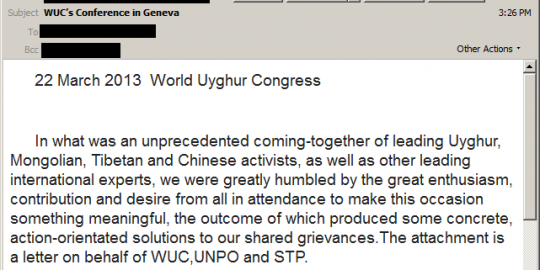
Android attacks have become all the rage in the last year or two, and targeted attacks against political activists in Tibet, Iran and other countries also have been bubbling up to the surface more and more often lately. Now those two trends have converged with the discovery of a targeted attack campaign that’s going after Tibetan and Uyghur activists with a spear-phishing message containing a malicious APK file. Researchers say the attack appears to be coming from Chinese sources.

With less than three full months gone in 2013, Facebook, Apple and Microsoft all have admitted publicly to serious security breaches, something that would have seemed like an elaborate practical joke just a couple of years ago. But the times and the climate have changed, and if you needed more evidence of these facts, it arrived last week in the form of the first Microsoft Transparency Report. 

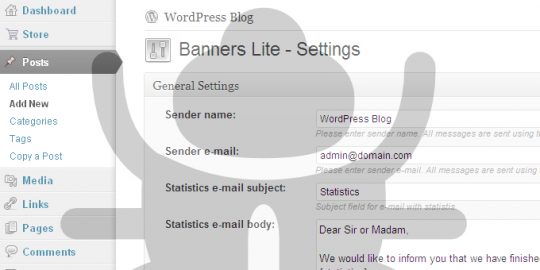
Hardly a week goes by without some new vulnerability in WordPress or one of its components showing up on a mailing list or in a security advisory. This week’s first entrant is a newly disclosed flaw in a plugin that displays ad banners on WordPress sites, a bug that enables an attacker to inject malicious Javascript or HTML code on any vulnerable site.