Dennis Fisher

About

Dennis Fisher is a journalist with more than 13 years of experience covering information security.

Apple Adds Two-Factor Authentication to iTunes Accounts

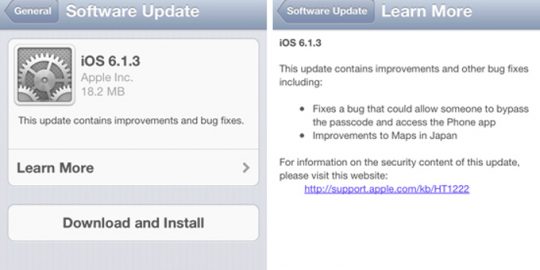
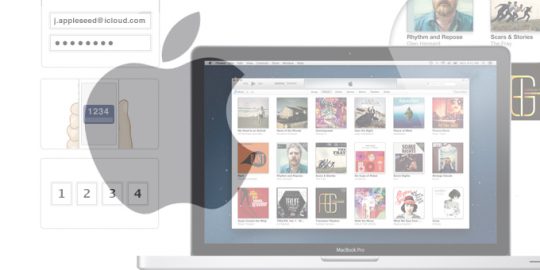
Apple has introduced a new two-factor authentication system designed to help protect users’ iTunes and App Store accounts and prevent attackers or unauthorized users from taking over users’ accounts. The system is similar to the one that Google has implemented for Gmail, utilizing verification codes sent via SMS.

Wade Williamson on Malware Trends

Dennis Fisher talks with Wade Williamson of Palo Alto Networks about the use of compromised FTP accounts in targeted attacks and malware campaigns, and how attackers are adapting their techniques.


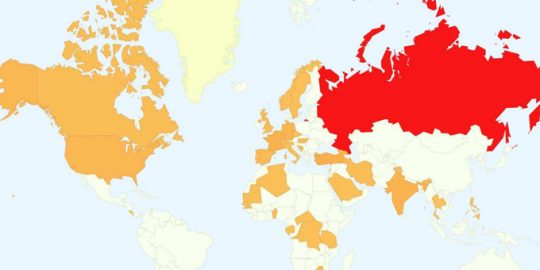
Researchers have uncovered a long-term cyber-espionage campaign that used a combination of legitimate software packages and commodity malware tools to target a variety of heavy industry, government intelligence agencies and political activists. Known as the TeamSpy crew because of its affinity for using the legitimate TeamViewer application as part of its toolset, the attackers may have been active for as long as 10 years, researchers say.

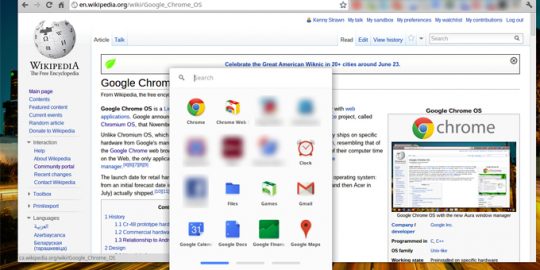
Depending upon your perspective, the third iteration of Google Pwnium at this year’s CanSecWest conference was either a mild failure or a huge success. No researchers were able to come up with a full compromise of the Chrome OS, the target in this year’s contest, but Google said this week that it did receive a partial qualifying entry from one researcher and awarded him $40,000 for his efforts.

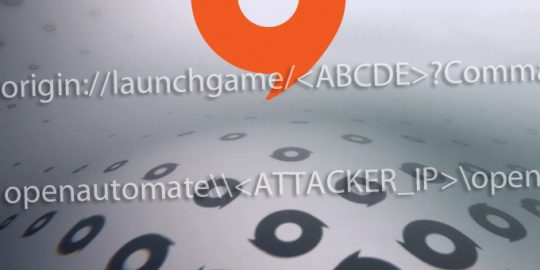
Five years ago, a pair of security researchers write a book called Exploiting Online Games in which they described a number of ways in which attackers could take advantage of weaknesses in the protection systems for various gaming platforms. Now, with online gaming having emerged as a massive business, other researchers have picked up the ball and begun finding serious flaws. The latest vulnerability to be disclosed is in EA’s Origin online game-delivery system, which researchers from ReVuln have shown can be exploited remotely to run malicious code on users’ machines.

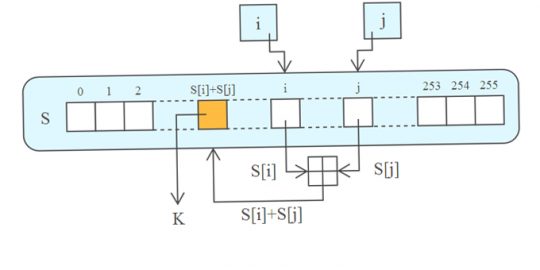
It’s been more than 25 years since Ron Rivest invented his RC4 stream cipher, and after all that time it’s still being used widely, which is something of an achievement in the crypto world. However, for more than 15 years researchers have known about a weakness in RC4 that could enable an attacker to decrypt the keystream. Now, a cryptographer has published an attack that exploits that vulnerability and causes serious problems with TLS implementations.

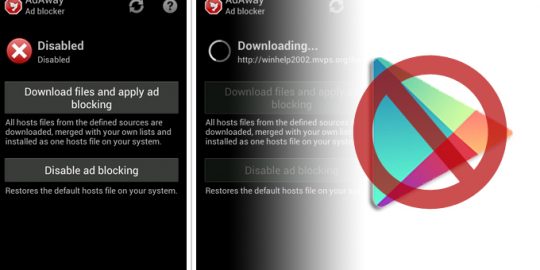
Google, which has been a favorite target of privacy advocates for the last few years, has taken another step that’s unlikely to endear the company to that crowd or Android users. The company has begun removing ad-blocking apps from the Google Play Android app market, apparently for violating the terms of service.