Dennis Fisher

About

Dennis Fisher is a journalist with more than 13 years of experience covering information security.

Google to Pay $7M Settlement Over Street View Data Collection

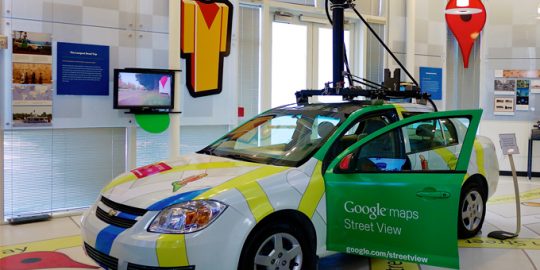
Google has agreed to pay a $7 million settlement to several dozen U.S. states as part of an agreement of charges that the company was collecting private user data from WiFi hotspots while its Street View cars were driving around taking photos in various locations. The controversy over Google’s data-gathering practices with its Street View cars has been going on for more than a year, since it was revealed that the cars were collecting information from private users’ WiFi routers.


Slideshow: Scenes from CanSecWest 2013

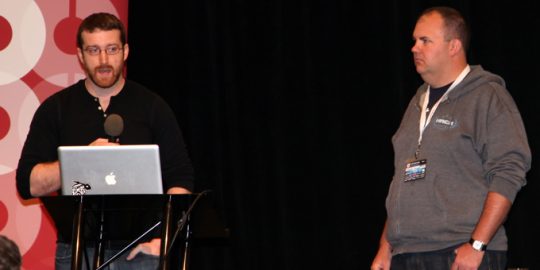
VIEW SLIDESHOW Scenes from CanSecWest 2013The CanSecWest security conference in Vancouver last week included technical presentations on bypassing ASLR and DEP and the intricacies of Android research, as well as a fascinating talk on the red team exercises Facebook’s security team runs. We put together some scenes from the show and Vancouver itself.


VANCOUVER–When Facebook announced last month that its corporate infrastructure had been compromised through a watering-hole attack against several of its employees, it was major news, both because of the attack itself and because the company had come out and owned up to it. The interesting thing, however, is that this was not the first major problem that the Facebook incident response team had handled. In fact it was the third one in less than a year. 

VANCOUVER–Finding and exploiting new vulnerabilities in the major browsers has become a difficult exercise for security researchers, thanks to the exploit mitigations, sandboxes and other protections that Microsoft, Google and Mozilla have added in the last few years. The same has become true of Adobe Flash, but difficult is not the same as impossible, as the contestants at the Pwn2Own contest here have shown.

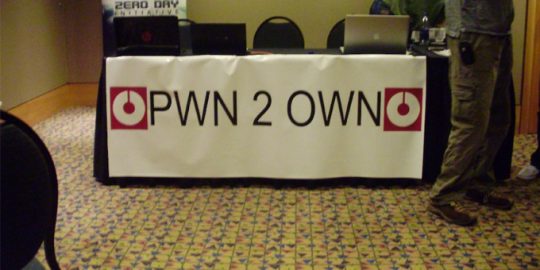
VANCOUVER–The Pwn2Own contest has evolved in many ways over the years, from new rules to new targets to larger prizes, but perhaps the one thing that has  changed the most is that the researchers who show up here every year hoping to go home with a bag full of money are having to spend more and more time finding and exploiting vulnerabilities in the browsers and plug-ins in play. The research team at VUPEN, which successfully compromised Internet Explorer 10 on Windows 8 spent several months finding the flaws they used and writing the expoits.

VANCOUVER–When Peiter Zatko, the security researcher and pioneering hacker known as Mudge, joined the federal government several years ago to help run a DARPA research program, some in the security industry wondered what effect someone with his background could have in an organization as famously change-resistant and slow as the Department of Defense. As it turns out, the Cyber Fast Track program he started has been a huge success and though the CFT is ending in less than a month, the program may well serve as a model for other agile research programs inside the U.S. government. 

The new year is barely two months old and it’s already been a brutal one for the disclosure of new vulnerabilities. Java, Adobe Reader, Flash, Google Chrome and a number of other widely deployed applications have all been hit with a slew of serious bugs in just the last few weeks. And that’s likely to get worse this week as researchers convene in Vancouver for the Pwn2Own and Pwnium hacking contests.