
Basecamp Online After DDoS Attack, Extortion Attempt
Basecamp is back online Tuesday after the service was taken down by a distributed denial-of-service attack Monday.
Basecamp is back online Tuesday after the service was taken down by a distributed denial-of-service attack Monday.

Microsoft is taking a number of steps to try and reassure customers about the integrity of the company’s offerings and to greatly expand the use of encryption across its services.
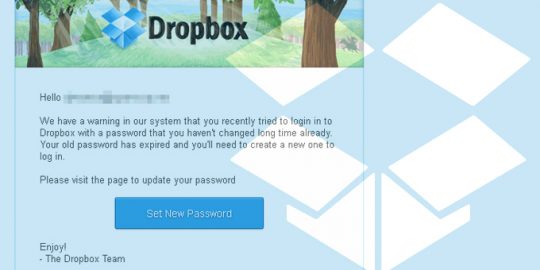
A new spam campaign has been circulating over the last few weeks in hopes of duping users of the popular cloud storage service Dropbox. The e-mails purport to come from the service but instead lead those who click through to a malware landing page.

As attackers continue to target large databases of passwords and users grow wearier by the day of creating new accounts and login credentials on each site they visit, the larger Web players are positioning themselves as not just social networking or retail hubs, but also as authentication providers. The latest to join this crew is Amazon, which is rolling out a service called Login With Amazon that enables visitors to participating sites to login with their existing Amazon credentials.

Defenders are at an asymmetric disadvantage when it comes to defending their networks. Attackers spend every minute of their day focused exclusively on penetrating your network to accomplish their mission…and opportunities abound.

UPDATE – With companies flocking to cloud services such as Amazon Simple Storage Service (S3) to store and serve static content on the cheap, naturally they’re making simple mistakes in doing so—and naturally, a savvy attacker is able to cash in.
Less than a day after Apple announced a new two-factor authentication to better protect Apple ID and iCloud accounts, the company was scrambling to fix another major security hole with its own password reset tool.
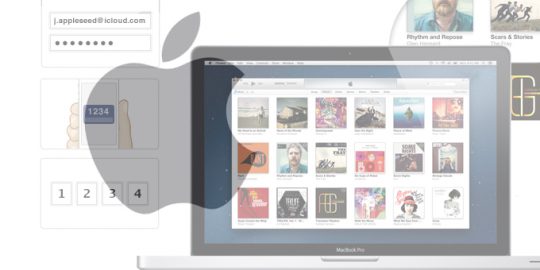
Apple has introduced a new two-factor authentication system designed to help protect users’ iTunes and App Store accounts and prevent attackers or unauthorized users from taking over users’ accounts. The system is similar to the one that Google has implemented for Gmail, utilizing verification codes sent via SMS.

The Web browser is the primary portal through which the vast majority of connected users access and interact with the Internet. Each browser has its own security and privacy settings and those settings have an enormous impact on the nature of the relationship between users’ data and the services they encounter online. Google’s Chrome browser has extensive, easy to navigate privacy settings that let users manage everything from digital certificates to location tracking to “Do Not Track” requests. In the latest installment of Threatpost’s occasional how-to video series, we look into the ways we can manage Google Chrome privacy settings and security while navigating the web in the Chrome browser.

SAN JUAN, Puerto Rico – Dan Hubbard has lately been a regular face at a lot of big data meet-ups. He’s also often been the lone security face at these meet-ups, which are dominated by analytics, search, social media and advertising professionals. That may change soon for the CTO of DNS and security service provider OpenDNS, who announced today at the Kaspersky Security Analyst Summit that security researchers will have free access to a new tool called Umbrella Security Graph.
Infosec Insider content is written by a trusted community of Threatpost cybersecurity subject matter experts. Each contribution has a goal of bringing a unique voice to important cybersecurity topics. Content strives to be of the highest quality, objective and non-commercial.
Sponsored Content is paid for by an advertiser. Sponsored content is written and edited by members of our sponsor community. This content creates an opportunity for a sponsor to provide insight and commentary from their point-of-view directly to the Threatpost audience. The Threatpost editorial team does not participate in the writing or editing of Sponsored Content.


