Critical Infrastructure


Anup Ghosh on Cyberespionage, Attribution and APTs

Dennis Fisher talks with Anup Ghosh of Invincea about the recent wave of companies admitting to being hacked by APT groups, the difference between cyberespionage and cyberwar, what the government can do to encourage more intelligence sharing and whether compromised companies are spending enough time on attribution.


Markey: GRID Act Passage Long Overdue

Representative Ed Markey (D-MA) is urging the Chairman of the House Committee on Energy and Commerce, Fred Upton (R-MI), to take immediate action toward passing the Grid Reliability and Infrastructure Defense (GRID) Act, which Markey calls a bipartisan bill aimed at hardening the nation’s electrical grid and critical infrastructure against cyberattacks.

Avoid The Attack Attribution Distraction

Plenty has been written this month about attack attribution, but, really, if your network is under siege, how often does the “who” matter as much as the “how,” “what,” and “where”? It seems that knowing who the actor is behind a network intrusion matters little to a bank, restaurant or retail chain. You just want them off your gear, and you want your stuff put back where it belongs.


China has been blamed for cyberattacks on every major industrial base in the United States—and even in some corners for the Super Bowl blackout. But most of it has been rampant speculation coupled with the lacing together of a number of loose ends. Examples of the kind of direct attribution to the People’s Liberation Army (PLA) presented in a report today by security company Mandiant have been rare.

The executive order that President Barack Obama signed yesterday in advance of his State of the Union Address contains a lot of provisions for information sharing on attacks and threats on critical infrastructure, and also calls for the development of a framework to reduce cybersecurity risks in federal agencies and critical infrastructure. What the order does not include are any mandates, required changes or a plan for significant action.

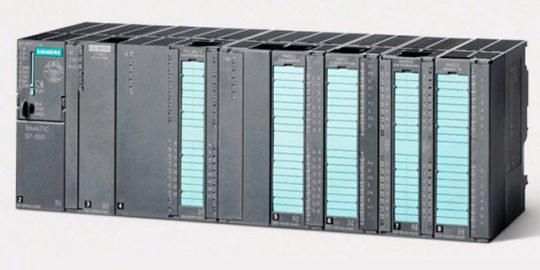
SAN JUAN, Puerto Rico – The world of SCADA and industrial control system vulnerabilities is starting to mirror that of IT security, not only in the demonstration and exploitation of zero-day vulnerabilities, but in the brokering of flaws and exploits between hackers and organizations interested in buying research.