Critical Infrastructure


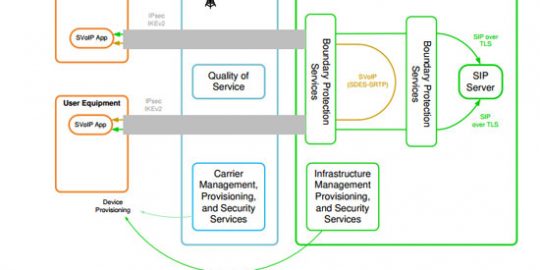
NSA Develops New, Super-Secure Android Phone

The U.S. National Security Agency (NSA) released the specifications for a new, super-secure smartphone for use by government officials and based on Google’s widely-used Android operating system, inviting the public to make use of its research.

Debate Over Active Defense and Hacking Back Crops Up at RSA

SAN FRANCISCO–The growing stream of attacks in recent years against government agencies, critical infrastructure, utilities and other vital networks has led to an increasingly heated debate around the concept of active defense and targeting the people and groups behind those attacks. That debate has been going on behind closed doors in Washington for years, but it spilled out into the public during a forum on the ethics and legality of active defense at the RSA Conference here Tuesday.


When Ralph Langner, an independent security researcher, presented his analysis of specialized code used by the Stuxnet worm to an audience of his peers at the S4 Conference in Miami last month, it was a chance to get down in the weeks with one of the world’s top experts on Stuxnet and threats to industrial control system.

Security researchers made good on a promise to release new exploits for programmable logic controllers (PLCs). The exploits include one targeting a flaw in the implementation of the EtherNet/IP (Industrial Protocol) used in many IP-enabled PLCs. The security hole, if left unaddressed, could enable a remote attacker to crash or unexpectedly reboot the devices, which are critical components of almost every industrial – and critical infrastructure installation.