Cryptography


Slideshow: Ten Weird Biometrics In Your Future

VIEW SLIDESHOW: Weird Science: 10 Forms of Biometric Authentication In the past twenty years, we’ve gone from using amber-tinted dumb terminals connected to refrigerator-sized mainframe computers to sleek tablet computers and smart phones tucked into our pockets. Despite those changes, one technology has stubbornly persisted: passwords. Indeed, the explosion in computing devices and Web-based services has made us more dependent on passwords than ever.


SAN FRANCISCO– It’s been an interesting year in the cryptography world, with new attacks on several algorithms, continued problems with hash functions and the recent research on weak RSA keys. With all of that as a backdrop, some of the brightest minds in the field, gathered here for the RSA Conference, said that there are some worrying cracks showing in the cryptosystems that secure electronic communications.

Right on cue this week, the anarchic hacking collective Anonymous stepped up and grabbed the story line away from the lions of the IT security industry.With the annual RSA Conference set to begin, the whistle blowing site Wikileaks released the first of some five million e-mail messages stolen from the security intelligence firm Stratfor. Ever sensitive to the fickle attention of the media, Anonymous inserted itself into the story, claiming responsibility for leaking the data and pointing a finger of blame at Stratfor and its media, private and public sector customers, which Anonymous accuses of spying and other dark offenses.

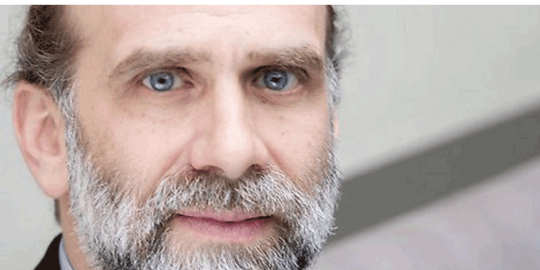
Dennis Fisher talks with cryptographer and author Bruce Schneier about his new book, Liars and Outliers, the role of trust in society and security, the ways in which technology helps promote trust and how various groups and actors defect the norm and take advantage of that trust.