Government


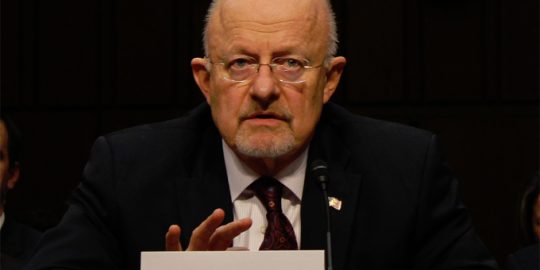
DNI Clapper Says NSA Programs Fully Authorized and Necessary

The top U.S. intelligence official addressed the recent revelations about the National Security Agency’s covert cell-phone and email data collection surveillance programs on Thursday, saying that the programs have been ongoing for years, are fully authorized under U.S. law and that the leaks regarding the programs are “reprehensible” and could endanger the country’s national security.
Always Outmanned, Always Outgunned

We were warned. Over and over again. Not just by privacy advocates and by security experts and by civil liberties organizations and by the guy on the corner in the tin foil hat shouting about the government intercepting his brain waves. We were warned by some of the very people charged with overseeing the administration’s efforts to expand its domestic intelligence gathering capabilities. We were warned by politicians.

China Calls Out U.S. for Hacking

The predominant narrative among U.S. officials and cybersecurity experts is that Chinese hackers, allegedly at the behest of their government, are thoroughly compromising the computer networks of American government, defense, and public sector organizations in order to steal any valuable data found within them on a daily basis. What you don’t hear so often, though we’d be remiss to ignore it and you’d be a fool not to believe it, is that the U.S. is doing the same exact thing to China.


WASHINGTON–The topic of critical infrastructure security may be the prettiest girl at the dance right now for both politicians and technology companies, but the problem of attackers going after these targets is one that security people have been dealing with for some time. But that doesn’t mean they have a good handle on it or clear solution for the problem. In fact, there are still a number of old obstacles standing in the way of addressing the issue.

The Department of Homeland Security this week began notifying up to tens of thousands of employees, contractors and others with a DHS security clearance that their personal data may be at risk. The notifications began on Monday, according to an online statement, after officials learned of a vulnerability in software used by a vendor to […]

The news that the attack on Google in 2009 also compromised a database holding warrants for lawful intercept surveillance on users has raised fears about the security of national security data on private networks. Cyberspionage operations pose a serious threat to national security, and these attacks are increasing. Dennis Fisher spoke with Anup Ghosh of Invincea about the nature of the threat and what can be done to address it.