Government


China Publicly Claims to Be the Victim of U.S. Cyberattacks

On Thursday the Chinese government, long considered the aggressor in highly publicized U.S. cyberattacks, publicly spoke about being the victim. Two of its military Web sites were attacked an average of 144,000 per month and two-thirds of those strikes came from the United States, according to a ministry spokesman.
RSA Conference 2013: Experts Say It’s Time to Prepare for a ‘Post-Crypto’ World

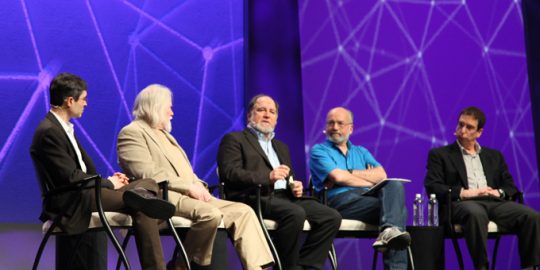
SAN FRANCISCO–In the current climate of continuous attacks and intrusions by APT crews, government-sponsored groups and others organizations, cryptography is becoming less and less important and defenders need to start thinking about new ways to protect data on systems that they assume are compromised, one of the fathers of public-key cryptography said Tuesday. Adi Shamir, who helped design the original RSA algorithm, said that security experts should be preparing for a “post-cryptography” world.

Anup Ghosh on Cyberespionage, Attribution and APTs

Dennis Fisher talks with Anup Ghosh of Invincea about the recent wave of companies admitting to being hacked by APT groups, the difference between cyberespionage and cyberwar, what the government can do to encourage more intelligence sharing and whether compromised companies are spending enough time on attribution.


Representative Ed Markey (D-MA) is urging the Chairman of the House Committee on Energy and Commerce, Fred Upton (R-MI), to take immediate action toward passing the Grid Reliability and Infrastructure Defense (GRID) Act, which Markey calls a bipartisan bill aimed at hardening the nation’s electrical grid and critical infrastructure against cyberattacks.

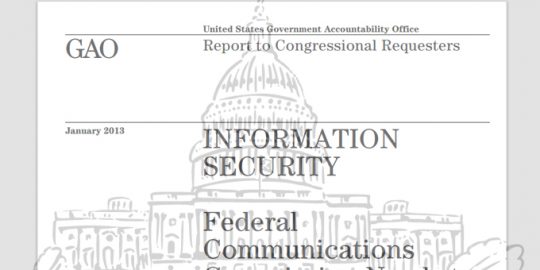
The Government Accountability Office has determined that the Federal Communications Commission failed to properly implement necessary security controls in the initial phases of its Enhanced Secured Networks project, and, as a result, FCC data remains vulnerable to “unnecessary risk of inadvertent or deliberate misuse, improper disclosure, or destruction.”

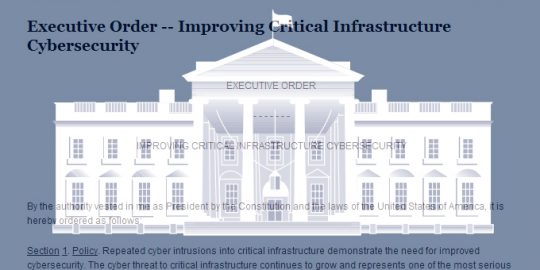
The executive order that President Barack Obama signed yesterday in advance of his State of the Union Address contains a lot of provisions for information sharing on attacks and threats on critical infrastructure, and also calls for the development of a framework to reduce cybersecurity risks in federal agencies and critical infrastructure. What the order does not include are any mandates, required changes or a plan for significant action.

Nearly everyone agrees that passwords are the bane of Internet security. For years, industry thinkers have somewhat vaguely referenced the need for Internet fingerprints capable of reliably verifing identities online. Yet here we are, it’s 2013 and passwords remain the primary means of authenticating users onto networks and workstations.

This week figures to be a high-profile time for cybersecurity on Capitol Hill. Reports say President Barack Obama will issue a long-awaited executive order shortly after tonight’s State of the Union address, while another stab at getting the controversial CISPA cybersecurity bill signed into law could make its way to Congress tomorrow as well. The president is expected to discuss the executive order during tonight’s address.