Government


Microsoft Research Proposes E-Voting Attack Mitigation

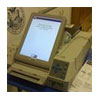
Microsoft Research has proposed a mitigation for a known potential attack against verifiable electronic voting machines that could help prevent insiders from being able to alter votes after the fact. The countermeasure to the “trash attack” involves adding a cryptographic hash to the receipts that voters receive.

Got Pwned? PwnedList.com Knows

With more and more victims of identity theft minted every day, figuring out if you’re one of the unlucky masses with a leaked email password is yeoman’s work. Now one security researcher is trying to make it easy with PwnedList.com, a Web site that collects leaked and stolen data, then tells Internet users whether their information is in it.


WASHINGTON–The U.S. government has a lot of money. Not as much as it used to have, of course, but still, it has a lot. It also has a lot of computers and servers and routers and other things that move and store data. In fact, they have so many that they don’t really know what all of them are doing at any given time. That’s turning into a fairly thorny security problem for some of the country’s more vital networks, and even the most well-funded agencies are having a hard time addressing it.

Hackers interfered with two U.S. satellites on four separate occasions in the last few years, according to a draft of a report from the U.S.-China Economic and Security Review Commission obtained by Bloomberg BusinessWeek on Thursday. The attacks are believed to have been orchestrated from China.

The fallout from a targeted attack on computers belonging to members of the Japanese House of Representatives continued on Tuesday, with claims that both servers and PCs on the House network were infected with a password stealing Trojan, and reports that House members had taken to storing sensitive government documents on personal PCs to avoid leaking sensitive information to the attackers.