Government


DigiNotar Says Its CA Infrastructure Was Compromised

VASCO, the parent company of DigiNotar, says that the fraudulent certificate for Google’s domains that the certificate authority issued was just one of many such bogus certificates it handed out in recent months, and blamed the growing scandal on an attack on its CA infrastructure.


Join Paul Roberts, Threatpost editor, and our panel of experts as they discuss security regulations, concerns and challenges within the Education market. Along with Paul, Steve Mazzola of Belmont Public Schools, David Escalante of Boston College and Josh Corman of the 451 Group provide hands-on insight into this market.


The news last week was that the U.S. House Energy & Commerce Committee has asked the Government Accountability Office to investigate the security of the software that runs medical devices. But a prominent researcher says that security flaws in such devices are common, and that more federal oversight is necessary to change what he describes as a culture of lax security among medical device makers.

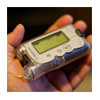
The hack of a commercially available insulin pump earlier this month at the DEFCON hacker conference has attracted the attention of members of the House Energy & Commerce Committee, which is now calling for a formal review of wireless medical devices like the pump.

Suppose you’re a IT professional who has an axe to grind against your employer, and knowledge of the company’s network and access necessary to really do some damage. You might consider launching said attack from a free, public Wi-fi hotspot, like the ones offered at chains like McDonald’s. That would be a smart idea – from your standpoint – and make it harder for you to get caught. You might _not_ want to use a personal credit card to buy a meal at said establishment, thereby putting you at the location at the exact time of the attack. That would be a _dumb_ idea.