
Hackers Compromise The War Z Forum, Game Databases
Hackers compromised the forum and game database of the massively multiplayer online game, The War Z, forcing the game’s producer OP Productions to temporarily take the game and its forum offline.
Hackers compromised the forum and game database of the massively multiplayer online game, The War Z, forcing the game’s producer OP Productions to temporarily take the game and its forum offline.

Tibetan activists in China as well as those living in exile around the world are being targeted by dangerous malware that not only steals data from infected computers, but also has graduated to reporting location data from mobile devices for surveillance purposes.
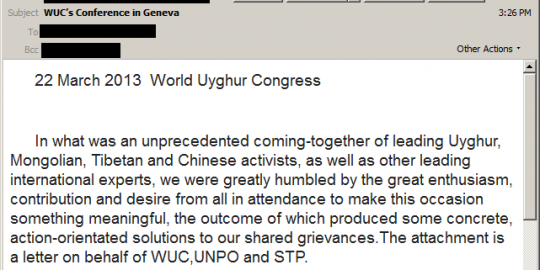
Android attacks have become all the rage in the last year or two, and targeted attacks against political activists in Tibet, Iran and other countries also have been bubbling up to the surface more and more often lately. Now those two trends have converged with the discovery of a targeted attack campaign that’s going after Tibetan and Uyghur activists with a spear-phishing message containing a malicious APK file. Researchers say the attack appears to be coming from Chinese sources.
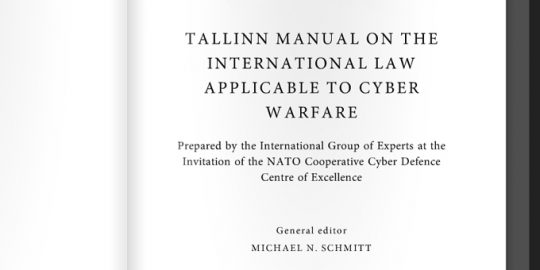
When nations eventually adopt ground rules for conflict in cyberspace as they apply in an actual kinetic war, the Tallinn Manual on the International Law Applicable to Cyber Warfare, is likely to be their key reference material in doing so.

With less than three full months gone in 2013, Facebook, Apple and Microsoft all have admitted publicly to serious security breaches, something that would have seemed like an elaborate practical joke just a couple of years ago. But the times and the climate have changed, and if you needed more evidence of these facts, it arrived last week in the form of the first Microsoft Transparency Report.
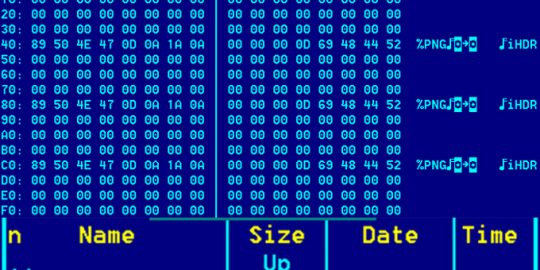
Disruptions to businesses in South Korea continue today after hackers used wiper malware to take a number of banks and television networks offline yesterday. A number of financial systems at a half-dozen banks and production systems inside South Korea’s major television networks remain down, kicking off speculation as to who is behind the attacks and how they got in.

The other Korea’s specter loomed large among speculators and fingers pointers Wednesday morning when reports surfaced that the networks of several prominent South Korean banks and broadcasters dropped offline.

Information security is littered with bad analogies. And none sounds sillier than a watering hole attack, which plays off the tactic that dominant animals use when stalking food by loitering at a watering hole. Rather than chase their prey, a lion will wait for prey to come to it. Hackers are doing the same thing to a great degree of success. Rather than using a spear phishing email campaign to lure prey to them, hackers are infecting vulnerable sites of a common interest to their targets, and then redirecting them to malware and more badness.

A controversial Internet scanning project has come under fire for illegally accessing and running code on remote machines. The Internet Census 2012 project, revealed Sunday in a post to Seclists.org, discovered 420,000 embedded devices accessible using default credentials. The unnamed researcher behind the project then used the devices as a botnet to scan most of the IPv4 address space.
A Reuters social media editor on Thursday was charged with helping hackers break into the Tribune Co.’s network shortly after he was fired from a Sacramento television station in Fall 2010.
A U.S. Eastern District grand jury in Sacramento handed down a three-count indictment against Matthew Keys, 26, of Secaucas, N.J., for conspiracy to transmit information to damage a protected computer and transmitting or attempting to transmit that information. The combined counts carry a potential penalty of 25 years’ imprisonment and $750,000 in fines.
Infosec Insider content is written by a trusted community of Threatpost cybersecurity subject matter experts. Each contribution has a goal of bringing a unique voice to important cybersecurity topics. Content strives to be of the highest quality, objective and non-commercial.
Sponsored Content is paid for by an advertiser. Sponsored content is written and edited by members of our sponsor community. This content creates an opportunity for a sponsor to provide insight and commentary from their point-of-view directly to the Threatpost audience. The Threatpost editorial team does not participate in the writing or editing of Sponsored Content.


