Malware


Activists on Front Lines Bringing Computer Security to Oppressed People

Security-related policy or legislation is enacted and then enforced to protect corporate, government or military interests. Civil organizations are often left flailing in the wind, fending for themselves with fewer IT resources and experience than a Middle America mom-and-pop operation. Yet these non-governmental—and not-for-profit—organizations have tasked themselves with helping those targeted by lethal adversaries who aren’t just after corporate secrets, but are out to deny people their freedom or, in some cases, their lives.


Tibetan activists in China as well as those living in exile around the world are being targeted by dangerous malware that not only steals data from infected computers, but also has graduated to reporting location data from mobile devices for surveillance purposes.

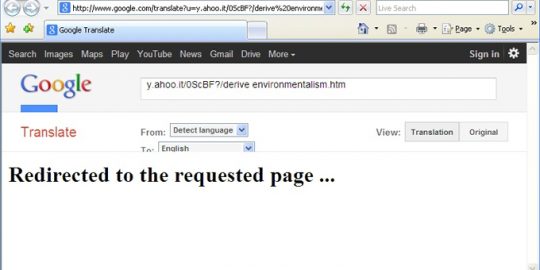
Some spammers, looking to launder the dirty links they email you, are relying on the positive reputation of Google Translate to redirect victims to rogue websites. Researchers at Barracuda Labs who maintain the company’s spam honeypots have spotted a rash of illicit messages trying to beat reputation filters by using this tactic.

At least one group of cybercriminals has taken to Evernote, the popular cloud-based note-taking and data-sharing service, as a base of operations for a data stealing Trojan, according to TrendMicro threat response engineer Nikko Tamana.