Malware


Operation High Roller Banked on Fast-Flux Botnet to Steal Millions

A fraud ring that attacked financial transfer systems in an attempt to get at wealthy high-end banking customers used a complicated web of malware and compromised servers in several countries to walk off with an estimated $78 million earlier this year. While the attacks targeted financial systems, the victims seem to be limited to companies involved in manufacturing, import-export businesses, and state or local governments.
Fake PayPal Emails Distributing Malware

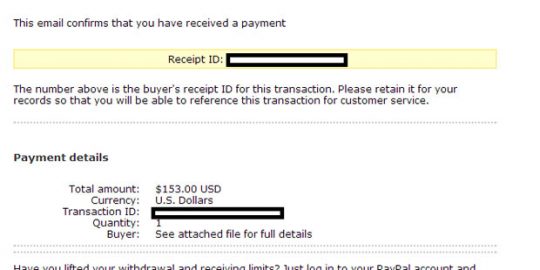
Cybercriminals are mimicking the online payment processor PayPal in a malicious spam campaign that attempts to dupe customers into downloading malware from links in seemingly authentic emails, according to a Webroot report written by Dancho Danchev.

Report: ‘Aggressive Adware’ More Prevalent Among Android Malware

A new report from Trend Micro showed a 483 percent jump in malware — including “aggressive adware” that harvests person data without permission using legitimate ad networks.It’s no surprise that the open nature of the Android platform makes it a magnet for malware, but the type of malware becoming more prevalent illustrates the blurring lines between legitimate apps that gather data for company use and those that violate users’ privacy.


More than 50 million users of the Steam gaming and media distribution platform are at risk for remote compromise because of weaknesses in the platform’s URL protocol handler, a pair of researchers at ReVuln wrote in a paper released this week.Luigi Auriemma and Donato Ferrante discovered a number of memory corruption issues, including buffer and heap overflows that would allow an attacker to abuse the way the Steam client handles browser requests. Steam runs on Windows, Linux and Mac OSX.

The elusive authors of the Citadel Trojan have released a new version of their banking botnet malware and service. The latest version, the sixth since it debuted in January and dubbed Rain, includes a dynamic configuration mechanism that allows botmasters to inject malicious content to compromised browsers on the fly. This real-time interaction with bots avoids the need to send an updated configuration file to the entire botnet and lessens the risk of detection by security operations.

One of three previously unseen pieces of malware discovered during forensic analysis of the Flame malware command-and-control servers has been identified as a secondary surveillance tool deployed against specially identified targets, and only after an initial Flame or Gauss compromise, researchers said today.

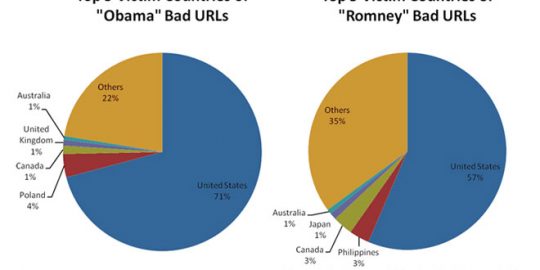
It was only a matter of time before the inevitable wave of malicious, election-tinged spam began to rain down upon internet users. In the wake of last week’s presidential debate between President Barack Obama and Republican nominee Mitt Romney, it appears the floodgates have opened.

Scared is a strong word, but the reality, according to a Websense analysis by Patrik Runald, is that spear-phishers, like the ones that compromised a White House network last week, are implementing new evasion tactics, fundamentally changing their attack strategies, and revolutionizing the targeted threat model, giving business executives plenty of reason to worry.

The Dorkbot worm that fooled many a Facebook and Twitter user is now socially engineering Skype users into downloading the malware, whose payload now includes a mechanism to lock down machines.Various antivirus and security companies are reporting the latest iteration rummages through an infected Skype user’s contact list and sends the message “Lol is this your new profile pic?” in English. It sends a similar message in German, too.