Malware


Anup Ghosh on PDF Exploits and Sandboxes

Dennis Fisher talks with Anup Ghosh, founder and chief scientist of Invincea, about the rise of browser and PDF exploits, the company’s new virtualized PDF security product and whether the Reader X sandbox will make a difference in preventing widespread PDF attacks.

Assessing the Adobe Reader X Sandbox

By Chris Greamo

Over the past few years, malicious PDFs have become common place and a prefered vector for attackers. Last week, Adobe announced the release
of Reader X – the much anticipated next major release of
their ubiquitous document reader, which includes a new security feature
called ”Protected Mode”. Protected Mode is designed to restrict the
ability of an attacker who exploits Reader using a malicious PDF to
damage, modify, or gain full control of the underlying host.

Adobe Releases Reader X With Sandbox

Adobe has released the much anticipated new version of its Reader software, Adobe Reader X, which includes the new sandboxing feature meant to prevent exploits against the software from affecting other applications on a PC.


The ZeroAccess rootkit isn’t the most well-known or closely watched piece of malware in recent history, but, as an extremely detailed new analysis of the program shows, it is a perfect example of the kind of sophisticated malware that attack crews are using to maintain persistent, silent access to compromised machines.

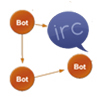
Once the most common form of malicious computer network, botnets that use the IRC (Internet Relay Chat) protocol are going the way of the Brontosaurus, according to a report from Internet security monitoring firm Team Cymru. 

In recent versions of Windows, specifically Vista and Windows 7, Microsoft has introduced a number of new security features designed to prevent malicious code from running. But attackers are continually finding new ways around those protections, and the latest example is a rootkit that can bypass the Windows driver-signing protection.

We know a lot about the effects of malicious programs like rootkits and Trojan downloaders. The job of finding out exactly how the programs work, however, is painstaking. That’s because most malware authors worth their salt take steps to make their creations hard to understand. Code obfuscation and anti-debugging are common features of most sophisticated, modern malware. With patience and endurance, however, researchers are often able to pierce the veil, anyway.