Mobile Security


Always Outmanned, Always Outgunned

We were warned. Over and over again. Not just by privacy advocates and by security experts and by civil liberties organizations and by the guy on the corner in the tin foil hat shouting about the government intercepting his brain waves. We were warned by some of the very people charged with overseeing the administration’s efforts to expand its domestic intelligence gathering capabilities. We were warned by politicians.


The Pentagon’s decision to endorse a hardened version of Android for use inside the DoD is a smart move forward, experts said. A wholesale blessing of the Android platform isn’t possible given the various flavors of the OS. Meanwhile, attackers continue to probe deeper at kernel and OS flaws.

On Friday, Jay Freeman announced on Twitter that he exploited a known vulnerability and subsequently achieved root access to his developer-model of Google Glass – Google’s highly anticipated, wearable, head-mounted computer.

The Google Play store has been an Eden for hackers wanting to get malicious code onto Android devices. A number of things made the marketplace too tempting for attackers to resist, including the open source nature of the operating system, lax vetting of developers, and the ability to modify code in runtime by pushing app updates from outside the store.

The next shoe has fallen in an effort to force wireless carriers and handset makers to provide regular security updates to Android mobile devices. The American Civil Liberties Union filed a complaint this week with the U.S. Federal Trade Commission accusing four leading carriers of deceptive business practices and knowingly selling defective phones to consumers […]

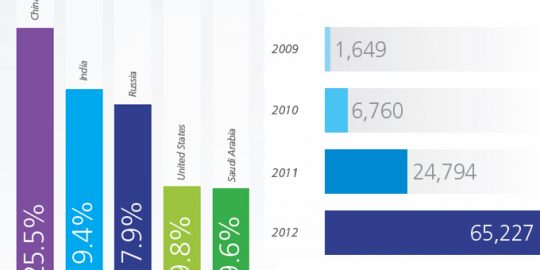
Throw another log onto the proverbial Android malware fire: According to mobile security firm NQ Mobile, infections targeting devices running the Google-based operating system doubled in 2012. That translates to a 163 percent increase from 2011 and accounts for over 65,000 different types of malware discovered, up 30,000 from 25,000 the year before.