Mobile Security


Developer Warns Millions of Virgin Mobile Subscribers About Authentication Flaw

An Alamo, Texas developer on Monday warned Virgin Mobile U.S. subscribers that their accounts can be hacked after the company failed to respond with a fix.”I reported the issue to Virgin Mobile a month ago and they have not taken any action, nor informed me of any concrete steps to fix the problem, so I am disclosing this issue publicly,” Kevin Burke said in a blog post.

Research Shows Half of All Androids Contain Known Vulnerabilities

About half of all Android phones contain at least one vulnerability that could be used to take control of the device, according to new research. Duo Security, which launched a free vulnerability scanning app for Android this summer, said their preliminary data from users shows a huge number of the devices are vulnerable to at least one of the known Android flaws.


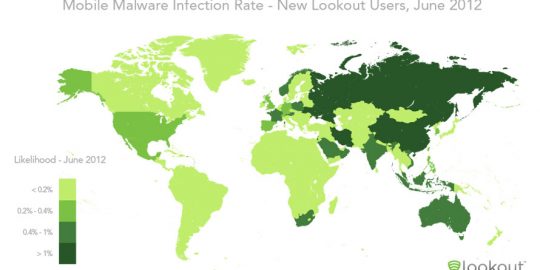
Mobile malware continues to run rampant, thanks to a growing glut of toll fraud malware – apps that have been engineered to bill its victims through premium SMS services. The malware type eclipsed spyware this year as the largest application-based threat according to mobile security firm Lookout who found it made up 79 percent of the malware it detected over the past year.

Cellphone owners now account for 88 percent of the U.S. population, of which some 43 percent say they download applications on their phones. Among these ‘app users,’ 57 percent told the Pew Internet and American Life Project that they have either uninstalled existing applications or made the decision to not install an application altogether after determining the amount of personal information required as a permission to install.

Scammers have already begun to take advantage of Adobe’s recent decision to remove its Flash Player from Android’s Google Play marketplace. Last week’s removal has prompted scammers to start promoting fake versions of the software to unsuspecting smartphone owners. While researching the scamware, security firm GFI Labs uncovered a separate fake version of the Flash Player that’s not only bogus but an SMS Trojan that comes bundled with adware.

There is no such thing as a trivial detail when it comes to the impending release of an Apple product and scammers are well aware of this. A recent attack is exploiting the public’s fascination with all things Apple and the ubiquitous interest in anything iPhone 5-related with an email phishing scam that includes a file that claims to contain pictures of the unreleased iPhone’s battery but actually contains a malicious Word document.