Videos


Lock Screen Bypass Flaw Found in Samsung Androids

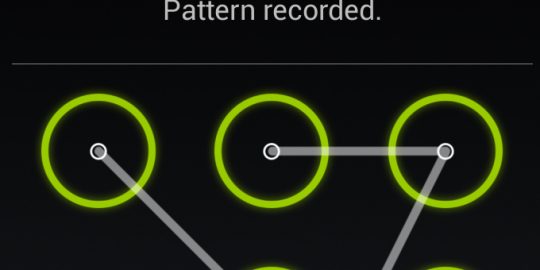
A vulnerability exists in Samsung devices running Android version 4.1.2 that could give unauthenticated users the ability to circumvent the screen lock and view the home screen, run apps, and reach out to contacts without successfully completing Android’s pattern lock, PIN, password or Face Unlock mechanisms.


Facebook Patches OAuth Authentication Vulnerability

Social media supersite Facebook has fixed a vulnerability that could have allowed a hacker to access a user’s account simply by getting them to click through to a specially crafted website. The flaw essentially mimicked the functionality of an authentic Facebook application without actually installing an application to their profile.


It turns out that some smart TVs are a little too smart for their own good–and the good of users. Some specific models of Samsung TVs that have Wi-Fi and other advanced capabilities have a flaw that enables an attacker to take a variety of actions on the TV, including accessing potentially sensitive data, remote files and information, the drive image and eventually gain root access to the device.

Considering the rapid  proliferation of smartpones and tablets and the vast wealth of personal and financial data many of us store on them, it is increasingly important that we find ways of securing our mobile devices. With that in mind, we decided there was no better way to kick-off a series of security tutorials than with a short step by step video explaining simple ways of securing your iOS device.

We wrote yesterday about research by Paul Brodeur of Leviathan Security Group on security weaknesses that are built into Google’s Android mobile operating system. Brodeur was able to show, using a proof of concept application, that Android applications without any permissions can still access files used by other applications, including which applications are installed and a list of any readable files used by those applications. In this question and answer session, Brodeur corresponds with Threatpost about his ongoing work studying the Android operating system, and how a combination of loose application coding and insecure design makes Google’s Android a boon for advertisers and others who want to harvest data on mobile users.* 

When Ralph Langner, an independent security researcher, presented his analysis of specialized code used by the Stuxnet worm to an audience of his peers at the S4 Conference in Miami last month, it was a chance to get down in the weeks with one of the world’s top experts on Stuxnet and threats to industrial control system.