Vulnerabilities


Cisco Fixes Seven Critical Security Bugs

Cisco Systems issued seven security updates yesterday, all of which patched vulnerabilities in the networking giant’s internetwork operating system (IOS), the software it deploys on the majority of its routers and network switches.


Critical Flaw Threatens Millions of BIND Servers

There is a critical vulnerability in several current versions of the BIND nameserver software that could allow an attacker to knock vulnerable DNS servers offline or compromise other applications running on those machines. The bug is present in several versions of the ubiquitous BIND software and the maintainers of the application have released a patch for it that they recommend users install as soon as possible.

ICS Vulnerabilities Surface as Monitoring Systems Integrate with Digital Backends

Draped across the automobile’s front license plate is a printout, attached like it came off a roll of Scotch Tape. On the printout is a SQL statement; probably the last thing anyone would expect to see as a hood ornament. No one knows where the photograph came from or whether someone was trying to be funny, or legitimately trying to compromise the backend system controlling the traffic camera in the same photo. But one thing is for sure, this clever stunt has helped shed light on the insecurity of control systems.


Google Chrome 26, the latest version of the company’s browser, is out and it contains a number of security patches, most notably a fix for a high-priority use-after-free vulnerability in the Web Audio component of the browser.

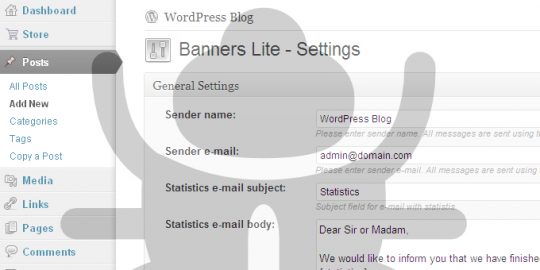
Hardly a week goes by without some new vulnerability in WordPress or one of its components showing up on a mailing list or in a security advisory. This week’s first entrant is a newly disclosed flaw in a plugin that displays ad banners on WordPress sites, a bug that enables an attacker to inject malicious Javascript or HTML code on any vulnerable site.

Information security is littered with bad analogies. And none sounds sillier than a watering hole attack, which plays off the tactic that dominant animals use when stalking food by loitering at a watering hole. Rather than chase their prey, a lion will wait for prey to come to it. Hackers are doing the same thing to a great degree of success. Rather than using a spear phishing email campaign to lure prey to them, hackers are infecting vulnerable sites of a common interest to their targets, and then redirecting them to malware and more badness.