Vulnerabilities


Ruby on Rails Patches DoS, XSS Vulnerabilities

The developers of Ruby on Rails, the popular web app framework, released four new versions of the product yesterday, complete with fixes for a series of vulnerabilities that could have lead to denial of service attacks and XSS injections.Four vulnerabilities in total are addressed in versions 3.2.13, 3.1.12 and 2.3.18 of Rails, according to a post to the company’s blog on Monday. “All versions are impacted by one or more of these security issues,” according to the post.

Google Serves Up a Half Slice of Pwnium Cash for Pinkie Pie

Depending upon your perspective, the third iteration of Google Pwnium at this year’s CanSecWest conference was either a mild failure or a huge success. No researchers were able to come up with a full compromise of the Chrome OS, the target in this year’s contest, but Google said this week that it did receive a partial qualifying entry from one researcher and awarded him $40,000 for his efforts.

Using Kernel Exploits to Bypass Sandboxes for Fun and Profit

Researchers and attackers alike are quickly discovering you don’t need a fancy Java or Flash exploit to beat application sandboxes. Exploiting an unpatched kernel vulnerability in the underlying operating system, one that’s likely to stay unpatched for a long time, will do just fine.


Five years ago, a pair of security researchers write a book called Exploiting Online Games in which they described a number of ways in which attackers could take advantage of weaknesses in the protection systems for various gaming platforms. Now, with online gaming having emerged as a massive business, other researchers have picked up the ball and begun finding serious flaws. The latest vulnerability to be disclosed is in EA’s Origin online game-delivery system, which researchers from ReVuln have shown can be exploited remotely to run malicious code on users’ machines.

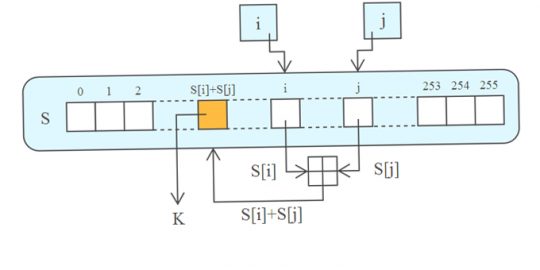
It’s been more than 25 years since Ron Rivest invented his RC4 stream cipher, and after all that time it’s still being used widely, which is something of an achievement in the crypto world. However, for more than 15 years researchers have known about a weakness in RC4 that could enable an attacker to decrypt the keystream. Now, a cryptographer has published an attack that exploits that vulnerability and causes serious problems with TLS implementations.