Vulnerabilities


Cisco VoIP Phone Hacked, Turned into Listening Device

Network-enabled devices such as routers and printers are notoriously insecure and fully exploitable gateways leading attackers toward network resources. A researcher and PhD student at Columbia University recently added VoIP phones to the list of pressing concerns.


PayPal patched a zero-day vulnerability this week in its core content management system. Researchers at Vulnerability Laboratory in Germany reported the flaw in June and withheld disclosure of the details until this week when PayPal released a fix.Benjamin Kunz Mejri, a frequent PayPal bug hunter, said his team discovered a persistent input validation vulnerability in the address book module’s search function that would allow an attacker to remotely inject malicious script on the application side.

Several versions of the popular Informix database server from IBM contain two buffer overflow vulnerabilities that could lead to remote code execution. The problems affect eight different versions of the server and are present on Informix installations on all supported platforms.

It turns out that some smart TVs are a little too smart for their own good–and the good of users. Some specific models of Samsung TVs that have Wi-Fi and other advanced capabilities have a flaw that enables an attacker to take a variety of actions on the TV, including accessing potentially sensitive data, remote files and information, the drive image and eventually gain root access to the device.

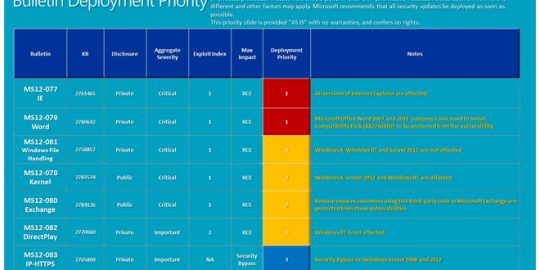
A rare critical Microsoft Word vulnerability was patched today by Microsoft, one of seven security updates pushed out repairing 11 flaws in its December security update.The Word vulnerability earned a critical rating because the Outlook email client uses Word to display documents in the Outlook preview pane and therefore removes the need for user interaction to trigger an exploit.

Adobe’s second set of security updates coinciding with Microsoft’s monthly patch releases were made available today. The two bulletins include patches for vulnerabilities in Adobe Flash Player and Adobe ColdFusion.The Flash vulnerabilities for Windows are rated most severe by Adobe and successful exploits could result in crashes, or an attacker being able to remotely execute code.