Vulnerabilities


The Problem With Bug Counts

It’s getting to be that time of year again, when everyone starts looking for ways to do something with all of the data that they’ve accumulated during the last 12 months. That means reports and top tens and lists and rankings and controversy. And, inevitably, it also means more examples of why using bug counts as a measure of an application’s security isn’t of much use.


Adobe has released the much anticipated new version of its Reader software, Adobe Reader X, which includes the new sandboxing feature meant to prevent exploits against the software from affecting other applications on a PC.

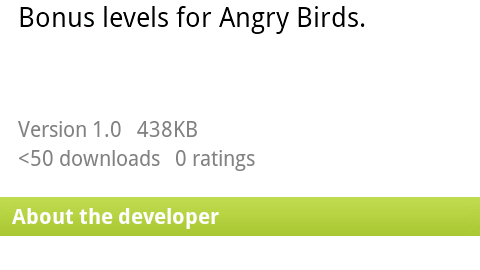
Security researcher Jon Oberheide wrote a fake extension to the popular Angry Birds mobile game and put it in the Android Market as a demonstration of how an attacker could exploit a vulnerability he’d found in Android. The phony app didn’t do anything malicious, but it had permissions on Android handsets that enabled it to send toll SMS messages, steal contacts and take other actions, without the user’s knowledge.

The ZeroAccess rootkit isn’t the most well-known or closely watched piece of malware in recent history, but, as an extremely detailed new analysis of the program shows, it is a perfect example of the kind of sophisticated malware that attack crews are using to maintain persistent, silent access to compromised machines.

A bug in an account verification system used by Facebook resulted in a wave of account suspensions Tuesday that had users locked out of the world’s largest social network and scratching their heads over the reason.