New Exploit Kit RedKit Discovered in Wild
A new exploit kit hit the scene recently, and according to Arseny Levin of Spiderlabs, the RedKit exploit kit contains an API that generates new host-site URLs every hour.
A new exploit kit hit the scene recently, and according to Arseny Levin of Spiderlabs, the RedKit exploit kit contains an API that generates new host-site URLs every hour.

Adobe is working on a new version of the Flash player software that will include some upgraded security features, most notably a sandbox for Flash running on Firefox. The beta version of Flash that includes the sandbox for Firefox is available for users now.

This post is the fourth in a 5-part series on Application Security, or “AppSec”. The series will define the components of a sound AppSec program, delineate the growing threats to software, weigh the costs of a data breach, and outline the CISO’s responsibility in managing software security risk. Taken together, they are a primer on AppSec best practices that will help organizations build the business case for further investment in this critical IT security discipline.By Fergal Glynn, VeracodeAs we have examined in this series, the information security practice called Application Security (or “AppSec”) seeks to protect all of the software that runs a business. It has three distinct objectives:1) Measurable reduction of risk from existing applications2) Prevention of introduction of new risks3) Ensuring compliance with regulatory mandates
A Consumer Reports investigation indicates 13 million U.S. Facebook users are oversharing — and likely don’t know it.
Dennis Fisher, editor-in-chief, and his guests, Josh Shaul and Jack Daniel, candidly discuss end-user security, where breaches occur and how organizations can fix these problems without causing havoc to their enterprise networks.
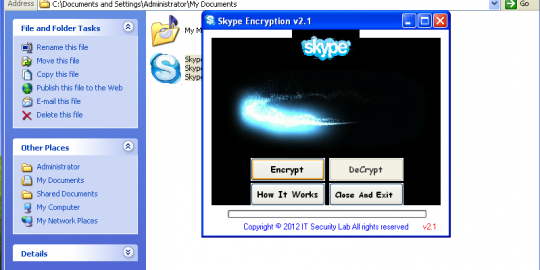
In Syria, the crackdown on political activists continues, with reports of pro-Syrians using malware that targets and spies on users attempting to use popular VOIP software Skype.
Adobe has released a patch for a serious Flash vulnerability that is being used in targeted attacks right now. The updates fix the vulnerability in Windows, Mac, Linux and Android systems.

UPDATE: More than 1,000 Wordpress blogs are currently being infected by a form of malware that has ‘piggybacked’ its way onto the blogging platform using the Wordpress automatic update function, a security researcher has discovered.
The developers at the Tor Project are warning users about a serious flaw in Firefox that’s included the latest version of the Tor Browser Bundle that could enable an attacker to gather information about the servers a victim is using, poking a hole in the privacy and anonymity that Tor is designed to provide.
In a post on the F-Secure Labs blog, Chief Research Officer Mikko Hypponen says the firm received a hard drive image from a “contact” within Syria who believed that his computer had been compromised. An F-Secure analysis of the drive’s contents and Web history revealed evidence of a targeted attack that used a malicious Skype chat link to install a copy of Xtreme RAT, a remote access tool that’s commercially available online.
Infosec Insider content is written by a trusted community of Threatpost cybersecurity subject matter experts. Each contribution has a goal of bringing a unique voice to important cybersecurity topics. Content strives to be of the highest quality, objective and non-commercial.
Sponsored Content is paid for by an advertiser. Sponsored content is written and edited by members of our sponsor community. This content creates an opportunity for a sponsor to provide insight and commentary from their point-of-view directly to the Threatpost audience. The Threatpost editorial team does not participate in the writing or editing of Sponsored Content.


