Google Adds Flash Sandbox to Chrome Browser
Two weeks after releasing Reader X with its new sandbox security mechanism, Adobe has teamed up with Google to enable a sandboxed version of its Flash software to run in Google Chrome.
Two weeks after releasing Reader X with its new sandbox security mechanism, Adobe has teamed up with Google to enable a sandboxed version of its Flash software to run in Google Chrome.
Does jailbreaking your mobile phone make it less secure? Kaspersky Lab Director of Global Research and Analysis Costin Raiu offers his thoughts in this exclusive video Q&A with Threatpost Editor Ryan Naraine.
Attackers have been using legitimate online services such as VirusTotal and others to check their new pieces of malware against various security suites for some time now, but that’s become less and less effective recently. Now, the creators of some exploit kits are beginning to include less well-known, underground malware-checking services as part of their offerings to buyers of their kits.
A site belonging to the Savannah GNU free software archive was attacked recently, leading to a compromise of encrypted passwords and enabling the attackers to access restricted project material.
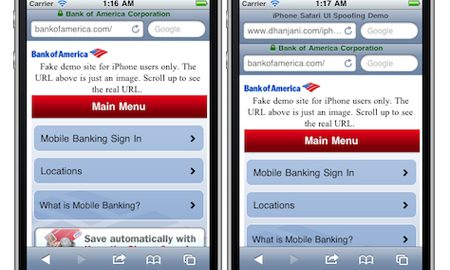
Pinched screen real estate on iPhone devices may make it easier for users to be fooled into using bogus “phishing” Web sites, according to an analysis by researcher Nitesh Dhanjani.
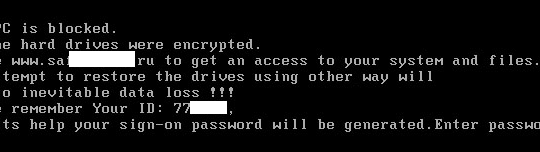
One day after a new version of the GpCode ransomware popped up, researchers have discovered another piece of malware that overwrites the master boot record on infected machines and demands a payment of $100 to reverse the damage.

There’s a new version of the venerable GpCode ransomware attack making the rounds right now, demanding payments of $120 in order to decrypt files on infected PCs. This version, which has been active for several days now, is different from previous variants in that it overwrites the original files, preventing recovery of the data.

By Alex HuttonRecently, I’ve heard some bits and pieces about how Information
Security (InfoSec) can be “threat-centric” or “vulnerability-centric”.
This stuck me funny for a number of reasons, mainly it showed a basic
bias towards what InfoSec *is*. And to me, InfoSec is too complex to be
described as “threat-centric” or “vulnerability-centric” and yet still
simple enough to be described at a high level in a few paragraphs in a
blog post. So I thought I’d write a “primer” post on what InfoSec is to
create a reference point.
China has long used the Internet’s Domain Name Service (DNS) to censor Web sites and information that the ruling Communist Party deems threatening. But now security experts warn that the government’s censorship is in danger of spilling over China’s borders: suppressing the ability of those living outside of China to find information online.
There’s been a significant uptick in Web-based malware, with
infections nearly double those from this time last year, and predictions are that Web based attacks will get worse before
they get better.
Infosec Insider content is written by a trusted community of Threatpost cybersecurity subject matter experts. Each contribution has a goal of bringing a unique voice to important cybersecurity topics. Content strives to be of the highest quality, objective and non-commercial.
Sponsored Content is paid for by an advertiser. Sponsored content is written and edited by members of our sponsor community. This content creates an opportunity for a sponsor to provide insight and commentary from their point-of-view directly to the Threatpost audience. The Threatpost editorial team does not participate in the writing or editing of Sponsored Content.


