Ryan Naraine

Mac OS X Mega-Update Fixes 33 Security Defects

Apple today shipped another Mac OS X mega-update with fixes for at least 33 serious security problems affecting Mac OS X users.

The update includes patches for third party components like Adobe’s Flash Player plug-in, Clam AV, MySQL and PHP.  A separate update was released for Snow Leopard to fix the issue where a vulnerable version of Flash Player was included with the new operating system.  Read the full story [zdnet.com]

iPhone, QuickTime Bitten by Serious Security Bugs

Apple has released security patches to cover serious security vulnerabilities in its iPhone, iPod Touch and QuickTime products.
The most serious of the vulnerabilities could lead to remote code execution attacks that give malicious hackers an easy way to hijack computers and mobile devices.  Read the full story for details on these vulnerabilities [zdnet.com]

Microsoft Confirms SMB2 Flaw, Heightens Severity

Microsoft has issued a formal security advisory to confirm the remote reboot flaw in its implementation of the SMB2 protocol, going a step further to warn that a successful attack could lead to remote code execution and full system takeover.


Mozilla has released a new version of its flagship Firefox browser to fix 10 vulnerabilities that put Web surfers at risk of code execution attacks.
The Firefox 3.5.3 update — available for Windows, Mac and Linux users — patches security holes that could allow drive-by download attacks if a user simply surfs to a booby-trapped Web site.

DarkReading is reporting on the launch of a new experimental service set up to detect spam and threats on the popular Twitter microblogging service.
The experiment, called TwiGUARD, lets Twitter users check if a follower is a spammer or if a link embedded in a tweet is malicious.

Microsoft today released a peck of patches to cover at least seven documented worm holes in the Windows operating system.
The most serious of the vulnerabilities addresses could lead to remote code execution complete system takeover attacks.  The September batch of patches does not address the FTP in IIS vulnerability that is currently being exploited in the wild.

Starting with the upcoming releases of Firefox 3.5.3 and Firefox 3.0.14, Mozilla will warn users if their version of the popular Adobe Flash Player plug-in is out of date, according to Mozilla Human Shield Johnathan Nightingale.
Once the browser is updated, Mozilla will present the user with a visual notice on its first-run Web site that the Flash Player plugin contains security and stability vulnerabilities.

Microsoft’s September batch of security updates will include fixes for a multiple “critical” vulnerabilities affecting the Windows operating system.

In all, the software maker will release five bulletins with patches for a range of flaws that could expose users to remote code execution attacks.

Less than a week after the publication of exploit code for a gaping hole in the FTP Service in Microsoft Internet Information Services (IIS), attackers are launching what is described as “limited attacks” against Windows users.
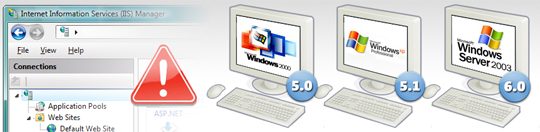
Microsoft has updated its security advisory to warn of the new attacks and added new mitigation workarounds for business running (IIS) 5.0, 5.1, and 6.0.

The Opera Web browser has undergone a minor security makeover with one significant improvement — the ability to update itself when patches are released.
The latest browser update will, by default, notify the user about available updates in very much the same way Mozilla Firefox handles automatic patching.  The update also includes several security fixes.  See the Opera changelog [opera.com]