Government


Staying safe online: The need for cybersecurity

On the day that President Obama releases a cybersecurity policy review, hear from experts and officials in the field. This video features Janet Napolitano, Secretary of Homeland Security; William Pelgrin, Chief Cybersecurity Officer of New York; John Thompson, CEO of Symantec; Leslie Harris of the Center for Democracy & Technology; Jeannette Wing of the National Science Foundation.
Military cyber command unit in the works

From The New York Times (David E. Sanger and Thom Shanker)
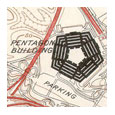
The Pentagon plans to create a new military command for cyberspace, administration officials said Thursday, stepping up preparations by the armed forces to conduct both offensive and defensive computer warfare.
The military command would complement a civilian effort to be announced by President Obama on Friday that would overhaul the way the United States safeguards its computer networks. Read the full story [NYTimes.com].

Private sector relations should be job one for cyber security czar

Whoever is brave enough to fill the soon-to-be-created cybersecurity czar position will find a rather large pile of challenges waiting. Among them will be dealing with a confused and argumentative Congress, doing a full-scale assessment of the country’s critical infrastructure and reaching out to all of the federal agencies that have been without leadership on cybersecurity for months. But none of those should be the cybersecurity czar’s top priority.


From The Washington Post (Ellen Nakashima)
The Obama administration is set to announce the creation of a new high-level position to run the cybersecurity program for the country. The announcement is expected on Friday, along with the release of the report on the administration’s 60-day review of the country’s cybersecurity posture.

From the Associated Press
Law enforcement computers were struck by a Mystery computer virus Thursday, forcing the FBI and the U.S. Marshals to shut down part of their networks as a precaution.
The U.S. Marshals confirmed it disconnected from the Justice Department’s computers as a protective measure after being hit by the virus; an FBI official said only that that agency was experiencing similar issues and was working on the problem. Read the full story [yahoo.com]

From Federal Computer Week (Ben Bain)
Attackers have penetrated a network that the Department of Homeland Security uses to share sensitive information with state and local authorities, gaining access to important, but unclassified, data. The attack began in March and occurred again a few weeks later, according to a report in Federal Computer Week.

From Core Security (Tom Kellermann)
As everyone prepares to examine the results of the Obama Administration’s cyber-security review, one of the largest issues in play remains to what extent the White House will embrace recommendations to create a Cabinet-level position to address the matter or some role superior to today’s “cyber czar” post.
Having participated in the CSIS Commission on Cyber Security for the 44th Presidency, it won’t surprise you that I support that concept, as one of the major recommendations suggested by the Commission – constituted of stakeholders from a wide range of public and private interests – was to do so.

From CSO (Robert McMillan)
In the face of increased attacks by its citzens against Chinese networks, China is stepping up the severity and enforcement of its computer crime laws. China often is cited as one of the major havens for hackers and malware authors, but as this IDG News Service report shows, the country is beginning to crack down on its own citizens for computer crimes in an effort to change that image.

The back-and-forth in Washington over who should run the cybersecurity program for the federal government has reached a fever pitch, as lawmakers, federal agencies and other interested parties jockey for position and budget dollars in the run-up to the release of the results of the Obama administration’s review of cybersecurity operations in the federal government. But perhaps the question isn’t which agency or office should have ultimate authority over cybersecurity, but whether any of them should.