Malware


Attackers to Exploit Search Personalization, Supply Chains

Information systems and algorithms designed to personalize online search results will give attackers the ability to influence the information available to their victims in the coming years. Researchers, in turn, must seek ways to fortify these systems against malicious manipulation, according to the Emerging Cyber Threats Report 2013 [PDF], a report released ahead of yesterday’s Georgia Tech Cyber Security Summit 2012.

Planned Cyberattacks on US Banks on Hold

Upwards of 30 major U.S. banks and financial institutions have been given a reprieve. The hacker behind a coordinated attack against giants such as Bank of America, Chase, Citibank, PNC, Wells Fargo and nearly two dozen other banks has called off the operation after media reports surfaced a month ago exposing the planned attacks.


The term cyberwar has become a catch-all used by politicians, talking heads and others to encompass just about any online threat, regardless of the attacker or the target. Among security professionals, however, the word has a specific connotation–an attack by one nation against another nation’s infrastructure. Aside from the semantic issues, one of the major challenges for government agencies and security teams dealing with his problem is attribution and recognizing what constitutes an actual act of cyberwar. Stuxnet, Flame and their cousins may qualify, but more discussion is needed to help define the terms of these new conflicts, experts say.

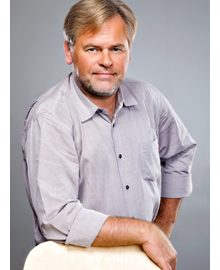
The security of social networks and the people who use them every day has become a serious concern for enterprises and consumers alike. Millions of people rely on networks such as Facebook and Twitter to communicate and connect with friends and colleagues and attacks against the networks themselves and the users on them undermines some of the trust people place in them. Eugene Kaspersky, CEO of Kaspersky Lab, recently answered questions on the security concerns surrounding social media and what people can do to protect themselves on these networks.

Hi, folks! 

For the last two weeks each and every fan of official Kaspersky Lab Facebook pages worldwide had the chance to ask our CEO, Eugene Kaspersky, anything at all (and we must say that some of our fans took this literally:)) Thank you for the hundreds of great questions! There’s nothing more valuable in this world for us than your feedback and ideas on how to proceed with our quest to Save the World in the most efficient way. We’ve selected the most interesting and edgy questions of yours and asked Eugene to answer them with his usual honesty.