Image of the Day: SEO Poisoning
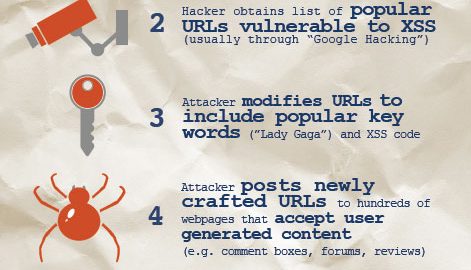
Today’s Image of the Day comes from web security firm Imperva, who’ve crafted an infographic to accompany their monthly Hacker Intelligence Initiative report on search engine poisoning (SEP).
Today’s Image of the Day comes from web security firm Imperva, who’ve crafted an infographic to accompany their monthly Hacker Intelligence Initiative report on search engine poisoning (SEP).
UPDATE: Feds aren’t the only ones who are paying attention to the demonstrations at security conferences like Black Hat and DEFCON – the folks who actually don the black hats are, also.

Citigroup
is warning its credit card users that attackers have stolen account information
belonging to 200,000 customers. The breach apparently was discovered last
month.

By Marta JanusA few days ago, I blogged about a PHP/JS malware targeting the osCommerce platform, which used an interesting new technique to obfuscate the malicious code. It so happens, that today I came across even more advanced sample of a PHP infector, also in the context of a vulnerable e-commerce solution.

The Department of Commerce’s Internet Policy Task Force released a proposal Wednesday calling for a voluntary code of conduct for companies that do business online.

The media storm over the Stuxnet worm may have passed, but many of the software holes that were used by the worm remain unpatched and leave Siemens customers open to a wide range of potentially damaging cyber attacks, according to industrial control system expert Ralph Langner.

Attackers are beginning to host their malicious domains and drive-by download sites, and most recently researchers have discovered a number of domains on Amazon’s cloud platform that are being used to install malware as part of a spam and phishing campaign designed to steal banking credentials and other sensitive data.
VMware has issued an update for a number of its more popular products, fixing several vulnerabilities. Some of the flaws could lead to arbitrary code execution.

Computer security experts have been forecasting the arrival of malicious programs that target Apple’s products for so long that they had begun to sound like the kind of Rapturistas and Mayan Calendar sleuths that we all (smartly) ignore. But if May didn’t bring Harold Camping’s Judgement Day, as predicted
(Update: its now October 21st, y’all!), it did prove those Apple
doomsayers correct as real Mac-focused crimeware and rogue antivirus
appeared in the wild.

The group behind the TDSS rootkit has developed a new method for getting the pernicious malware onto as many machines as possible: a worm-like, self-propagating loader. The new mechanism has the ability not only to install new copies of the rootkit on PCs, but also set up its own DHCP server on a network and force machines to connect to a malicious remote DNS server.
Infosec Insider content is written by a trusted community of Threatpost cybersecurity subject matter experts. Each contribution has a goal of bringing a unique voice to important cybersecurity topics. Content strives to be of the highest quality, objective and non-commercial.
Sponsored Content is paid for by an advertiser. Sponsored content is written and edited by members of our sponsor community. This content creates an opportunity for a sponsor to provide insight and commentary from their point-of-view directly to the Threatpost audience. The Threatpost editorial team does not participate in the writing or editing of Sponsored Content.


