Vulnerabilities


Flaws in Emergency Alert System Hardware Allow Remote Login, Zombie Alert Insertion

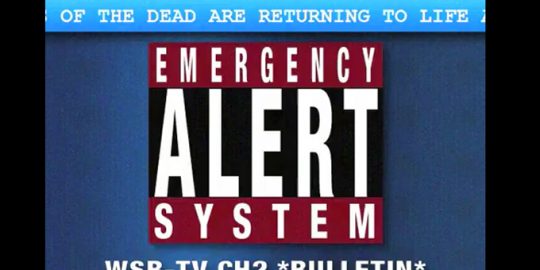
There are a set of easily exploited vulnerabilities in the appliances used in the emergency alert system (EAS) that could be used by attackers to log in to these boxes remotely and send fake emergency alerts like the one that interrupted a TV broadcast in Montana on Monday. The vulnerabilities include authentication bypasses and other bugs that a researcher says can be used to compromise the ENDEC machines that are responsible for sending out alerts over the EAS on TV and radio.


Week one of the Mega cloud storage service bug bounty is in the books and at least three payouts have been made. Controversial entrepreneur and MegaUpload founder Kim Dotcom made the challenge last week offering a €10,000 reward to anyone who could break the encryption protecting the service.

Exploits targeting two previously unreported flaws in Flash Player prompted Adobe to release an emergency patch yesterday. One of the attacks is targeting aerospace and other manufacturing companies, and is being delivered via infected Microsoft Office documents. The other is being carried out over the Web targeting Firefox and Safari on Mac OS X.

Every year it seems that security-related news advances further from its roots in national security circles, IT departments, and the antivirus industry into the mainstream consciousness. From July to the end of year was no exception. However, despite a handful of flashy security stories, F-Secure claims that the second half of 2012 was really about things that rarely (if ever) come up in local and national news: botnets, ZeroAccess in particular, Java and other Web exploits, and the ubiquitous Zeus banking Trojan.