Vulnerabilities


Apple Zaps Critical iTunes Security Bug

Apple has shipped iTunes 9.0.1to fix a critical security hole that puts Mac and Windows users at risk of computer takeover attacks.
The vulnerability could be used by hackers to launch code execution attacks via booby-trapped “.pls” files, Apple warned in an advisory.

Remote exploit released for Windows Vista SMB2 worm hole

Security researchers at penetration testing firm Immunity have created a reliable remote exploit capable of spawning a worm through an unpatched security hole in Microsoft’s dominant Windows operating system.

A team of exploit writers led by Kostya Kortchinsky attacked the known SMB v2 vulnerability and created a remote exploit that’s been fitted into Immunity’s Canvas pen-testing platform. The exploit hits all versions of Windows Vista and Windows Server 2008 SP2, according to Immunity’s Dave Aitel.

Adobe Flash Patch Guidance Working, Kinda

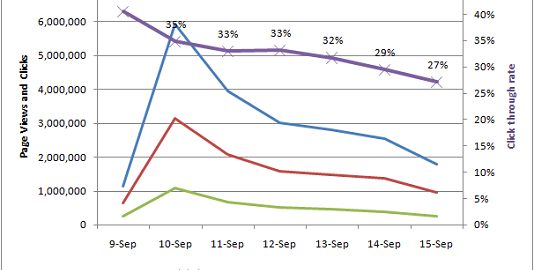
Mozilla’s move to nudge Firefox users into updating the browser’s Flash Player plug-in has been a phenomenal success with about 10 million users clicking through to the Web page with Adobe’s patch.

Mozilla released some brief statistics to track the success of its new program, which serves up a visual warning to Firefox users if their version of the ever-present Adobe Flash Player plug-in is out of date. The program started last week with the releases of Firefox 3.5.3 and Firefox 3.0.14.


A new botnet has caused a sharp spike in click fraud because it is skirting the most sophisticated filters of search engines, Web publishers and ad networks, according to Click Forensics.
The company, which provides services to monitor ad campaigns for click fraud and reports on click fraud incidence every quarter, said on Thursday that the botnet’s architects have figured out a way to mask it particularly well as legitimate search ad traffic. Read the full story [computerworld.com]

Four months after it modified Windows 7 to stop the Conficker worm from spreading through infected flash drives, Microsoft has ported the changes to older operating systems, including Windows XP and Vista.  Read the full story [computerworld.com]

Linux Botnet Discovered

From The H Security
A network of hijacked Linux servers is apparently being used to distribute malicious software to Windows PCs. According to an analysis by web developer Denis Sinegubko, the comprised systems all have one thing in common: the light weight web server nginx is running and serving content through port 8080. Otherwise, these systems are inconspicuous and appear to operate quite normally. This new tactic was discovered when links to malware posted in China were replaced by dynamic DNS names from DynDNS.com and No-IP.com. Read the full story [The H Security].

Throughout the last two years, scareware (fake security software), quickly emerged as the single most profitable monetization strategy for cybercriminals to take advantage of. Due to the aggressive advertising practices applied by the cybercrime gangs, thousands of users fall victim to the scam on a daily basis, with the gangs themselves earning hundreds of thousands of dollars in the process. 
This end user-friendly guide aims to educate the Internet user on what scareware is, the risks posed by installing it, how it looks like, its delivery channels, and most importantly, how to recognize, avoid and report it to the security community taking into consideration the fact that 99% of the current releases rely on social engineering tactics.  Read the full story [zdnet.com]

Apple today shipped another Mac OS X mega-update with fixes for at least 33 serious security problems affecting Mac OS X users.

The update includes patches for third party components like Adobe’s Flash Player plug-in, Clam AV, MySQL and PHP.  A separate update was released for Snow Leopard to fix the issue where a vulnerable version of Flash Player was included with the new operating system.  Read the full story [zdnet.com]

From The Washington Post (Brian Krebs)

Finding the notorious Clampi banking Trojan on a computer inside your network is a little like spotting a single termite crawling into a crack in the wall: Chances are, the unwelcome little intruder is part of a much larger infestation. At least, that’s the story told by two businesses which recently discovered Clampi infections, compromises that handed organized cyber gangs the access they needed to steal tens of thousands of dollars.Read the full story [Washington Post].