Mobile Security


SMSZombie Malware Infecting Android Devices, Stealing Money

A nasty new piece of malware that has the ability to steal money from users’ via fraudulent SMS payments has shown up in a Chinese Android market and researchers say it’s infected more than 500,000 victims. The SMSZombie malware is being hidden inside apps on the app market and once it’s on a device it has the ability to prevent users from uninstalling it.

Researcher Finds iPhone Bug Allows SMS Spoofing

The iPhone SMS app contains a quirky bug that could allow someone to send a user a text message that appears to come from any number that the sender specifies. The researcher who discovered the bug said that it could be used by attackers to spoof messages from a bank or credit card company and send the victim to a target site controlled by the attacker.


Considering the rapid  proliferation of smartpones and tablets and the vast wealth of personal and financial data many of us store on them, it is increasingly important that we find ways of securing our mobile devices. With that in mind, we decided there was no better way to kick-off a series of security tutorials than with a short step by step video explaining simple ways of securing your iOS device.

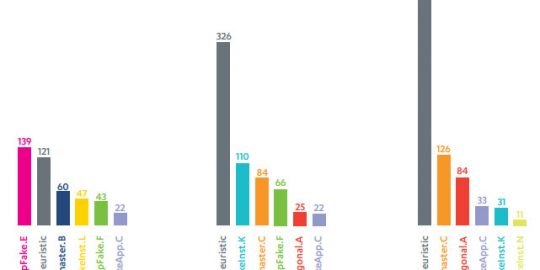
Android devices have remained a constant target of attacks over the last quarter thanks in part to new variants from the FakeInst and OpFake families of malware. According to the latest version of the F-Secure Mobile Threat Report, the firm found 5033 malicious Android application packages (APKs), a 64 percent increase over the 3063 the firm identified in the first quarter of 2012.

Researchers have found several samples of a new version of the mobile version of the Zeus malware, with these newest ones targeting the BlackBerry platform. BlackBerry has not been a common target for attackers, despite the high-value user base of corporate executives and government officials, but that may be changing now with this new version of Zitmo targeting RIM’s devices.

On average, there were almost five fraudulent phone calls every minute earlier this year according to a report released today from security firm Pindrop Security. The Atlanta-based company found phone fraud was up 29 percent January to June this year from the last half of 2011 after it analyzed 1.3 million different instances as part of its 2012 State of Phone Fraud Report.

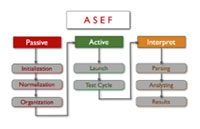
A researcher at Qualys has released a new tool designed to allow users–even non-technical ones–to evaluate the security and behaviors of the apps installed on their Android devices. Known as the Android Security Evaluation Framework, the tool not only looks at the general security of an app, but also at what kind of data the app is collecting and what it’s doing with that information.

Two men have been arrested in South Korea for allegedly leaking the information of almost nine million of the nation’s mobile phone users, including details of the users’ monthly plans, according to a report issued by the Korea National Police Agency’s (KNPA) Cyber Terror Response Center (CTRC) over the weekend.

LAS VEGAS–Here’s something that you might not know about RIM: it has a rather large security response and research team. The maker of the BlackBerry phones–once the must-have fashion accessory for executives and Barack Obama–historically has been almost silent on the way that it handles product security and vulnerabilities. But that’s beginning to change, in large part perhaps because the security response team at RIM is full of veterans of Microsoft’s Security Response Center, who learned the value of communication the hard way.