Vulnerabilities


Infrastructure attacks: A growing concern

In an essay published on his personal blog [doxpara.com], security researcher Dan Kaminsky is starting to sound the alarm about “the extraordinary damage” we face from infrastructure attacks, warning that the industry needs to treat infrastructure with more security due diligence and care.
“Forget patching infrastructure. When my DNS bug hit, a remarkable number of sites suddenly found themselves simply identifying the DNS servers they were dependent on. We can do better. We need better operational awareness of our infrastructure. And we need infrastructure, over time, to become a lot safer and easier to update,” Kaminsky said.

Countdown to Conficker’s April 1st climax

By Byron Acohido, LastWatchdog.com
Two schools of thought exist about what the Conficker worm will do come the wee hours of April 1, 2009, GMT.
Some experts, like WinPatrol creator Bill Pytlovany, are sensing that the worm’s controllers will run circles [lastwatchdog.com] around the Microsoft-led “cabal” of security groups trying to block some 3 million to 12 million Conficker-infected PCs from phoning home on April Fools Day.

Where is Apple’s Trustworthy Computing?

It’s been the better part of a decade now since Microsoft got religion about the security of its products, following the release of Bill Gates’s famous Trustworthy Computing memo. In that time, the reliability, security and resiliency of the company’s products has improved greatly, as has Microsoft’s standing in the security community.


HP has released a free static-analysis tool designed to find vulnerabilities in applications developed on the Adobe Flash platform. But HP SWFScan is no security geek plaything.
It’s meant specifically for developers without much in the way of security training.

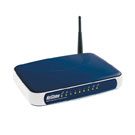
Researchers at DroneBL have spotted signs of a stealthy router-based botnet worm [zdnet.com] targeting routers and DSL modems.
The worm, called “psyb0t,” has been circulating since at least January this year, infecting vulnerable embedded Linux devices such as the Netcomm NB5 ADSL modem and launching denial-of-service attacks on some Web sites.
From the article:

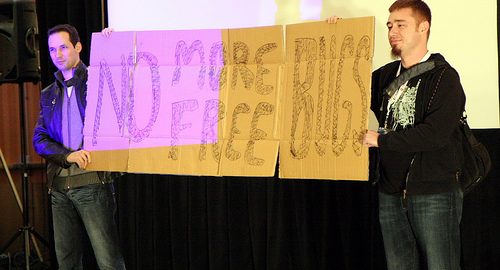
It appears that the free ride is over for software vendors.

For years, software makers have benefited from the work done by the community of security researchers who spend days or weeks looking for vulnerabilities and novel ways to break the vendors’ products. This work is virtually always done pro bono by researchers who either have day jobs and do their research as a sideline or by experts at security companies who do the work as a way to promote their research teams. Either way, until recently, most of these bug reports were given to the affected vendors for free.

After taking some heat for its decision to buy a botnet and use it to send spam and launch a denial-of-service attack against a site owned by Prevx, the BBC has released an editor’s note to explain and defend the broadcast experiment.
Here’s the gist of the Beeb’s defense, via BBC Click executive editor Mark Perrow:

 The Conficker worm has been wreaking havoc on the Internet for several months now, and despite the concerted efforts of dozens of security organizations around the world, it is showing no signs of fading. A new analysis of Conficker by SRI International shows that the worm’s authors have added further code obfuscation and other mechanisms to avoid analysis and removal.

By Elinor Mills, CNET

Presenters at the CanSecWest security conference detailed on Thursday how they can sniff data by analyzing keystroke vibrations using a laser trained on a shiny laptop or through electrical signals coming from a PC connected to a PS/2 keyboard and plugged into a socket.